

« We promote equality, empowerment, and the exercise of rights for women and youth in Bolivia »
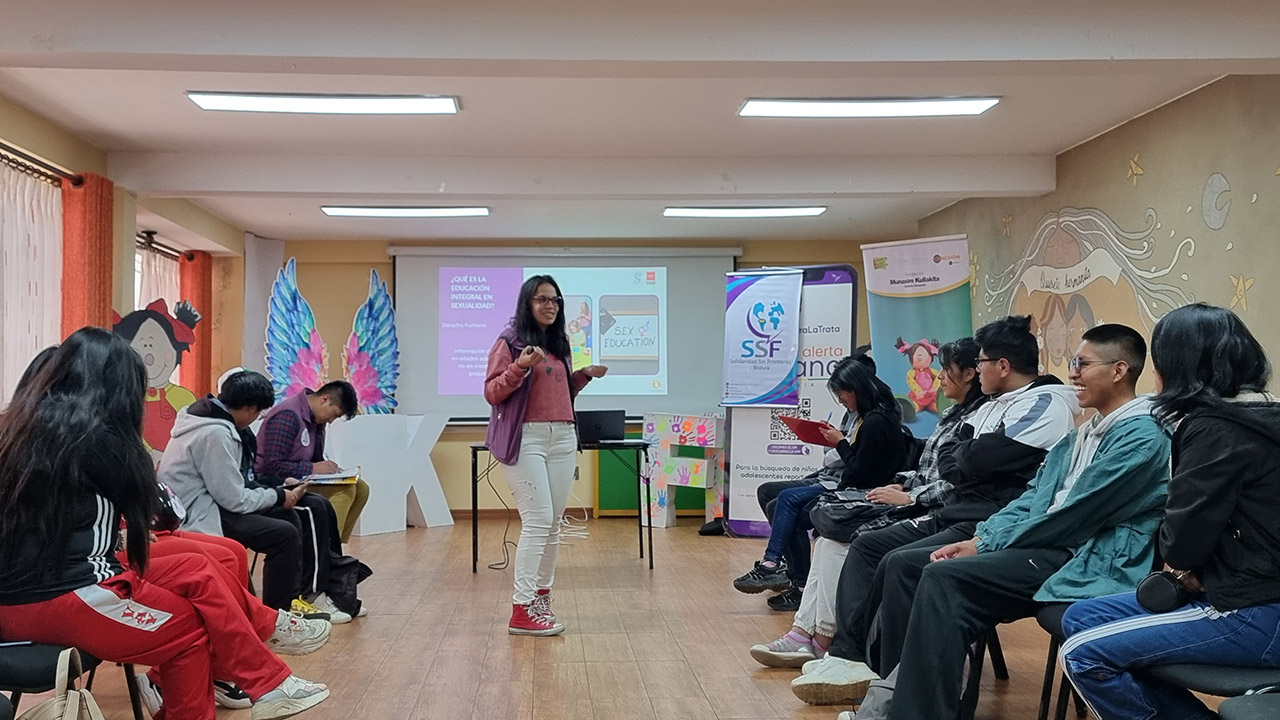
ACTION III – For equity, empowerment, and violence prevention in La Paz and El Alto, Bolivia
»»»
o La Paz, El Alto
o Status: Completed Project (January – December 2025)

General Project Description
ACTION II was a social action and cooperation project implemented by SSF Bolivia in the municipalities of La Paz and El Alto. It was aimed at strengthening the capacities of women, adolescents, youth, and community actors for the prevention of gender-based violence, the exercise of rights, and the promotion of community leadership.
The project provided continuity to the first phase of the ACTION initiative, deepening educational methodologies, community processes, and spaces for inter-institutional coordination. It utilized a gender and human rights approach, adapted to the territorial and social realities of the intervention contexts.
What do we work on? / Our focus
During the implementation of ACTION II, actions were focused on:
• Prevention of gender-based violence through an educational and community-based approach.
• Comprehensive sexuality education, with an emphasis on consent, bodily autonomy, and informed decision-making.
• Strengthening of youth and community leadership with a gender approach.
• Promotion of social participation and the coordination of community and institutional networks.
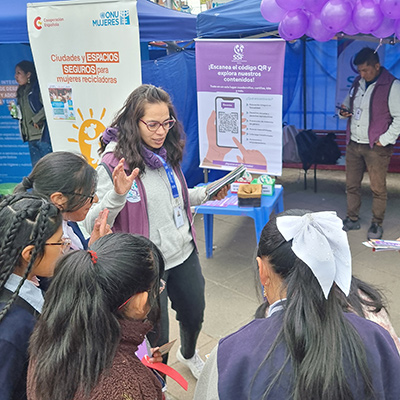
• Awareness-raising and production of educational and communication materials.
Who do we work with?
The project was implemented in team with:
• Adolescent, young, and adult women.
• Adolescents and youth.
• Educators, promoters, and community leaders.
• Social and community organizations.
• Public institutions linked to gender, youth, education, and violence prevention.
How did we implement it?
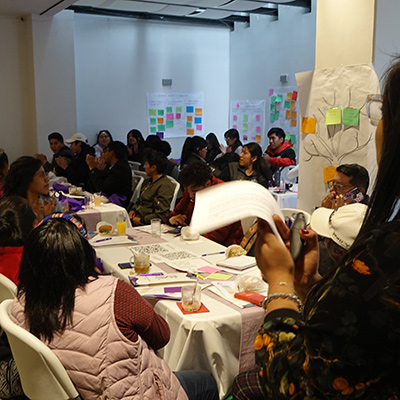
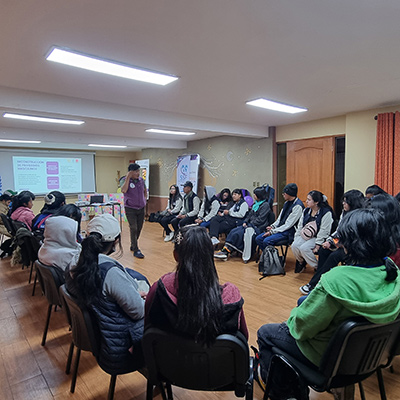
The implementation of ACTION II was based on a participatory, experiential, and community-based methodology, which combined:
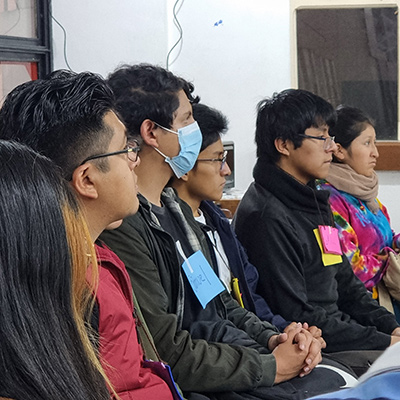
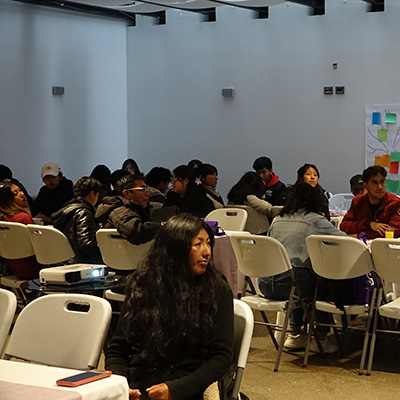
• In-person and virtual educational workshops.
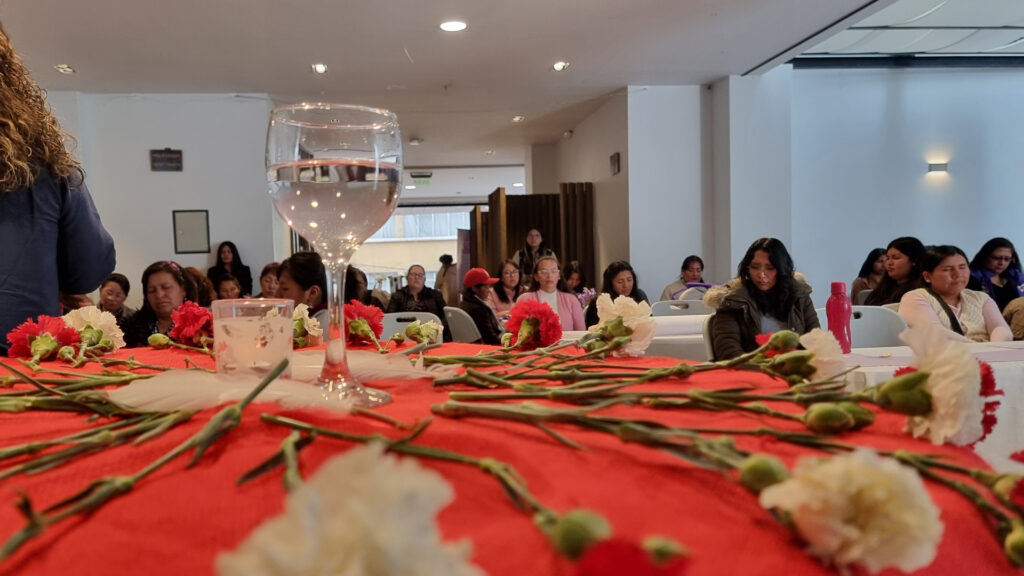
• Spaces for collective reflection and community dialogue.
• Playful and participatory methodologies, such as the Consent Game (Juego del Consentimiento).
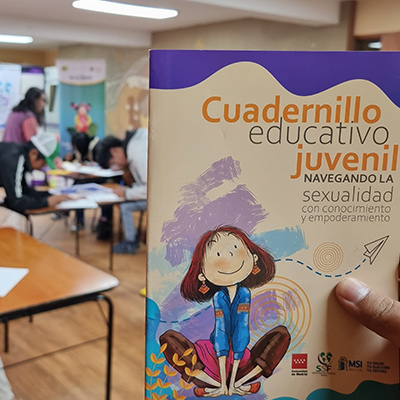
• Production and use of educational materials and youth booklets, featuring characters like Luzmi.
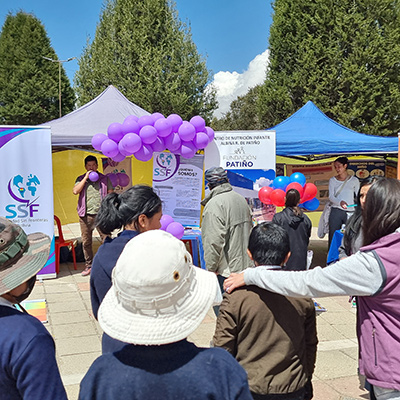
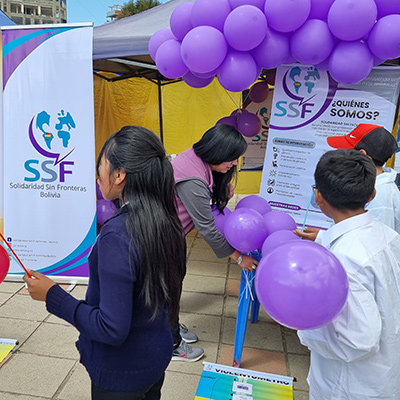
• Community and digital awareness campaigns.
• Coordination with local networks and public institutions.
The project prioritized personal empowerment as the foundation for collective participation and violence prevention.
Main results
As a result of the implementation of ACTION II:
• Capacities were strengthened for women and youth to identify, prevent, and challenge gender-based violence.
• The exercise of sexual and reproductive rights was promoted through an approach focused on autonomy and consent.
• Youth and community leadership with a gender approach was consolidated.
• Specific educational methodologies were developed and applied for violence prevention and comprehensive sexuality education.
• Community and institutional networks committed to violence prevention were strengthened.
(Quantitative and technical results are systematized in the project’s final report.)
Lessons learned and contributions
ACTION II allowed for:
• Deepening participatory methodologies adapted to adolescents and youth.
• Consolidating the use of playful and narrative approaches to address sensitive topics such as consent and bodily autonomy.
• Strengthening the coordination between communities, social organizations, and public institutions.
• Generating methodological and educational inputs that have been reused in subsequent projects.
These lessons learned strengthened SSF Bolivia’s institutional capacity and established a solid foundation for the continuity of the process.
Continuity of the process
The lessons learned, methodologies, and alliances developed in ACTION II led to the implementation of new phases of the process, specifically:
In this way, ACTION II became a key stage in the consolidation of a sustained community work process for equality and violence prevention.